
Beard Transplant
A beard transplant is a type of hair transplant performed on the face, and it is popular all over the world. For various reasons, some men have a thin, patchy or completely missing beard. Beard loss can be caused by hormonal changes or skin conditions, as well as by autoimmune disorders.
A skin condition called alopecia areata can also cause hair loss in the beard area. Unfortunately, there is not yet a medical or cosmetic treatment that can make new beard hair grow, so a beard transplant is the only solution.
In the past there was no treatment for hair loss on the scalp, beard or moustache, but thanks to advances in technology and medicine, effective solutions to these problems are available today.
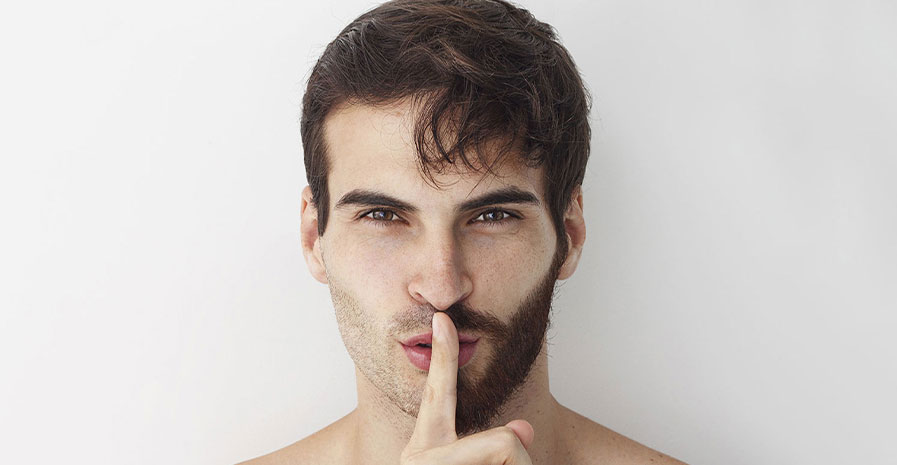
Who Can Have a Beard Transplant?
- People with a thin or patchy beard,
- People whose moustache has never grown for various reasons,
- People with scars in the beard area caused by an accident or other reasons
What to Pay Attention to After a Beard Transplant
After a beard transplant, you will leave the clinic with a bandage covering the treated area. The bandage needs to be changed from time to time over three days, and during this period you should not wash your face at all. Recovery takes about ten days. Small scabs form around the transplanted follicles, and these usually begin to disappear gradually after the first wash on day 3. After that, you will start to feel the follicles settling in and growing.
You can trim your beard about 15 days after the procedure. However, the follicles are not yet fully anchored in the skin, so be careful when using scissors. Shedding occurs 2 to 3 weeks after the procedure, and your beard will start to grow back after 2 to 3 months, continuing to grow normally from then on. Around 6 months after the transplant, the follicles are fully anchored in the skin, and your beard continues to grow in its normal cycle.
Tips for the Day of Your Beard Transplant
It is very important to follow your doctor’s advice on the day of your beard transplant. The following recommendations have a big impact on the success of the procedure:
- Wear loose clothing that will not rub against your face on the day of the procedure
- Smoking is not recommended before a beard transplant, as it affects the procedure and recovery.
- Unrealistic requests and expectations can affect the course of the procedure.
- Eat a light meal and come to the clinic once you feel full.
- If you take any medication, tell your doctor before the procedure.
- Alcohol has a negative effect on the results of a beard transplant.
- If you already have a beard, do not trim it yourself. If necessary, our specialists will trim it at the clinic after the analysis on the day of the procedure.
- Avoid caffeinated drinks before the procedure.
If you follow all of these recommendations, your transplant process will be easy and effective.
What Happens After a Beard Transplant
- Because the procedure is performed under local anaesthesia, you can leave the clinic on your own.
- Slight swelling above your lip is completely normal.
- Some light bleeding in the treated area is normal, so your beard area may appear covered in small red dots.
- Swelling and throbbing around your lips may cause some discomfort while eating, but this is manageable. Taking your medication as instructed by your doctor helps prevent bigger problems.
- For the first three days after the procedure, avoid moving your lips too much and rest as much as possible. This protects the follicles in the treated area and prevents them from becoming dislodged.
Frequently Asked Questions
Free Consultation
A personal plan for your beard transplant
Request a free consultation to find the beard design that best suits your face and the number of grafts you need.