
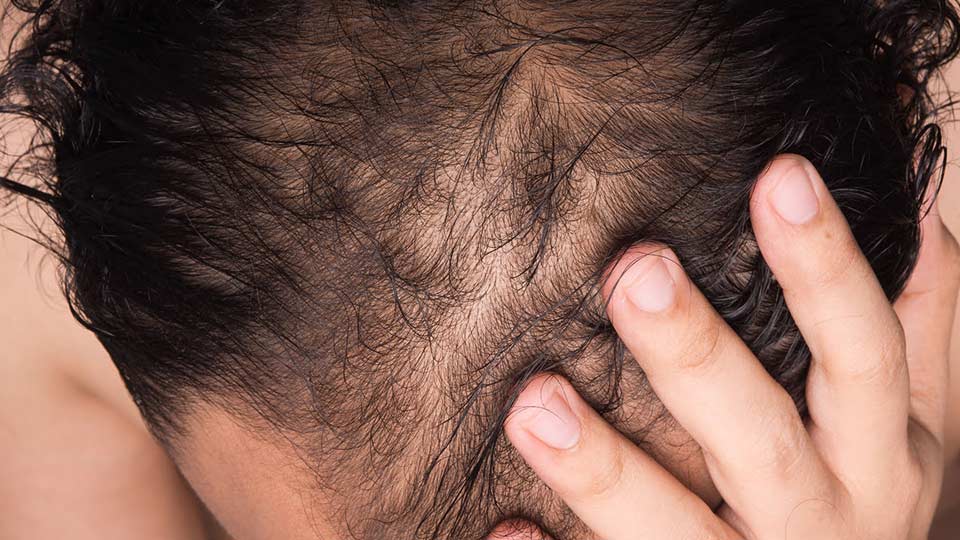
A failed hair transplant can leave many people unable to achieve the result they hoped for and cause a range of problems. To ensure a successful hair transplant, remember that the first step is to contact a professional, high-quality hair transplant clinic — otherwise, disappointing results are almost inevitable. Let’s look at the causes of failed hair transplants and whether they can be corrected.
Causes of a Failed Hair Transplant
The causes of a failed hair transplant vary depending on several factors, which we can list as follows:
Unprofessional Hair Transplant Centres
The most important reason for a failed hair transplant is an unprofessional clinic. As in any profession, not everyone working in hair transplantation is necessarily an expert. Researching the experience of the person performing your hair transplant and finding out about the clinic will help you avoid a failed result.
Inadequate Aftercare
The experience of the hair transplant specialist is very important to the success of the procedure — but aftercare is just as important. Your specialist should give you a list of instructions to follow. What you do during the scabbing period is especially important, and failing to take proper care of the area after the procedure can lead to a poor result.
The Patient Is Not a Suitable Candidate
A hair transplant is not suitable for everyone. This life-changing procedure should only be performed on suitable candidates, which is why the doctor must assess the patient’s health before the procedure. In particular, analysing hair that may fall out in the future and identifying the cause of hair loss are extremely important.
How Can You Tell If a Hair Transplant Has Failed?
A sign of a failed hair transplant is when the treated area remains red and bald months after the procedure. It is normal for transplanted hair to shed a few weeks after the procedure, because the transplanted follicles do not yet have their own blood vessels to supply them with oxygen and minerals. New blood vessels only form in the weeks following surgery, and new hair gradually starts to grow about three months after the procedure. However, continuing baldness and a lack of improvement in density are signs that the follicles are not growing properly.
Can a Failed Hair Transplant Be Corrected?
In the vast majority of cases, people who have had a failed hair transplant can be helped. Various interventions can visibly improve the result of a failed transplant. However, whether a correction is possible can only be decided after assessing the individual’s condition.
Hair follicles are a limited resource: once harvested, they do not easily grow back. However, it may be possible to use hair from other parts of the body. The easiest case to correct is a transplant with poor growth, and the ideal solution is a corrective procedure using the FUE or FUT method.
Correcting healthy transplanted hair is difficult, but visible flaws make an intervention necessary. If the surgeon does not pay attention to the natural hairline or the direction of hair growth, the result will not look natural. The so-called “doll’s hair” effect and incorrect growth direction require extensive correction. In such cases, the incorrectly placed grafts must be removed from the skin, redistributed and implanted in an optimised way.
Free Consultation
Successful results start with the right planning
Request a free consultation for a hair transplant planned specifically for you by our experienced team.