
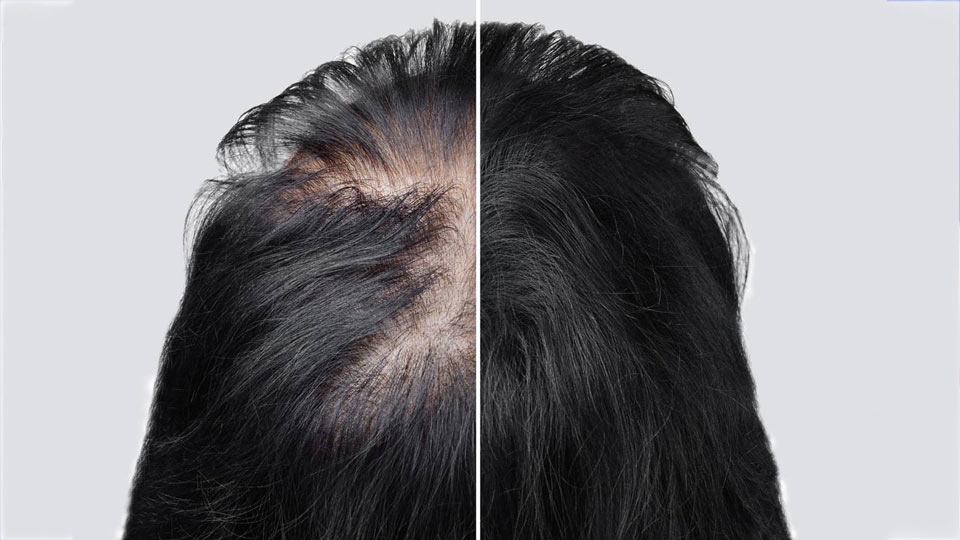
Can women have a hair transplant? This is a question many women research today. Because baldness is much less common in women, there is a misconception that hair transplants are not performed on women. In fact, women can have hair transplants just like men. We have put together everything you need to know about hair transplants for women — let’s take a look at the process.
Pregnancy, childbirth, the contraceptive pill, menstruation and menopause all cause hormonal changes in women. Hormone-related hair loss (androgenetic alopecia) can seriously undermine self-esteem. Women often place even more importance on their hair than men, so hair loss that can lead to baldness is extremely distressing. This is where hair transplantation for women becomes an option.
What Causes Hair Loss in Women?
- Autoimmune diseases that cause hair loss: women frequently experience an overactive thyroid, an underactive thyroid, thyroiditis, alopecia areata and scarring alopecia.
- Hormonal fluctuations are a natural part of every woman’s life cycle. Puberty, pregnancy and menopause can cause changes in hormonal balance that affect the hair.
- Deficiencies caused by inadequate nutrition (for example iron or zinc deficiency) are increasingly common among vegetarians and vegans and can damage hair follicles to the point of hair loss.
- Gastrointestinal disorders can cause nutritional deficiencies and have a negative effect on hair health.
- Burns and injuries
- Chemotherapy and radiation are used in cancer treatment. They damage hair follicles and cause hair loss. When the treatment stops, the follicles usually recover; however, in some cases hair growth does not resume after radiation therapy.
- Skin diseases, infectious diseases and rheumatic, metabolic, sexually transmitted and fungal diseases
- Stress
Is a Hair Transplant for Women Permanent?
A hair transplant is indicated and beneficial in only around 10% of cases, because in about 90% of cases hair loss can be stopped with modern regenerative treatments, significantly increasing hair density and volume. Where a hair transplant is performed, however, its effect in women can be considered permanent.
After about three to six months, the transplanted follicles produce new, strong hair in previously bald areas. The result looks natural: the new hair is no different from the surrounding hair and can be cut, combed and coloured as usual.
Hair Transplant Techniques Used for Women
Two techniques are commonly used for hair transplants in women: FUE and DHI.
FUE Hair Transplant
In this minimally invasive, uncomplicated procedure, the specialist removes hair follicles from the scalp using fine, hollow extraction needles. The grafts are then transplanted to a different area. The donor area on the head needs to be shaved for the procedure. Because no coarse instruments such as scalpels are used, there are no large wounds, and so no severe pain.
Each follicle is extracted individually and transplanted one by one into a previously prepared channel. This creates a visually natural, harmonious look. Both the donor and recipient areas heal on their own within a few days.
FUT Technique
The FUT hair transplant technique is also known as the strip method. As a relatively quick and inexpensive procedure, it is sometimes chosen by specialists and patients. The doctor removes a full strip of skin containing hair follicles from the back of the head with a scalpel and then stitches the wound. An assistant then divides the removed skin into individual follicular units under a microscope in several steps and transplants them into the prepared area.
Free Consultation
A hair transplant plan for women
Let’s discuss a plan that suits your type of hair loss and protects your existing hair, in a free consultation with our specialists.